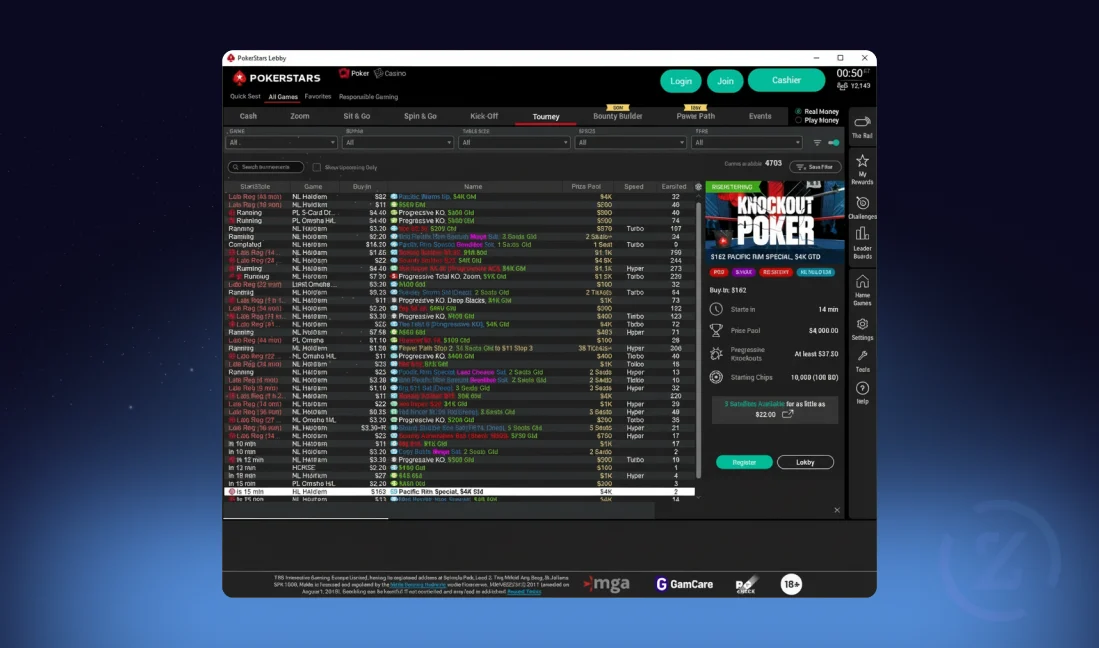
SharkScope is a tracking and results-analysis platform for online poker players, focused mainly on tournaments (MTTs, SNGs, and Spins, depending on the site).
It collects public data from poker rooms and organizes that information in a statistical database, allowing players to research the performance history, profit patterns, and consistency of other players — and of themselves.
In practice, it works like this:
- You search a nickname or log in with your account;
- The system cross-references registered tournament results;
- The data is presented in charts, metrics, and rankings.
It’s important to highlight: SharkScope does not show cards, hands, or strategies — only aggregated results.
Read also:
- Poker Schedule Software vs. Spreadsheet: Which Wins?
- The Importance of a Well-Structured Poker Tournament Calendar
What data and stats SharkScope shows
The value of SharkScope is in the metrics that help understand a player’s profile. Among the main information available, you’ll find:
- Total Profit: how much the player won or lost over time.
- ROI (Return on Investment): percentage return on average buy-in.
- ABI (Average Buy-In): average value of the tournaments played.
- Number of tournaments played: indicates volume and experience.
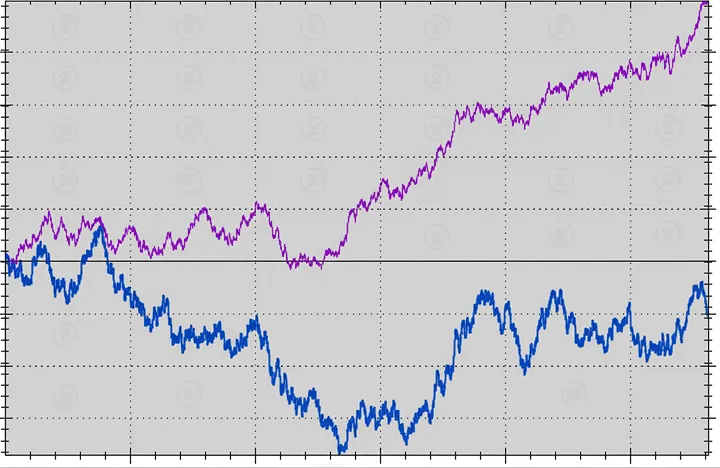
- Results graph: bankroll evolution over time.
- Rankings by stakes and formats.
- Color classification (fish, regular, shark), based on historical performance.
This data helps differentiate recreational, regular, and high-performance professional players.
How SharkScope helps analyze results and performance
For anyone studying poker seriously, SharkScope is useful on three levels:
1. Self-evaluation
Analyzing your own history helps answer fundamental questions:
- Am I winning long term?
- Is my ROI compatible with my level?
- Am I moving up in stakes too early?
2. Field reading
In tournaments and final tables, knowing the profile of your opponents allows you to:
- Adjust aggression;
- Avoid marginal spots against very strong players;
- Exploit clearly recreational players.
3. Emotional management
Many players realize, when they see the graph, that downswings are part of the game — which reduces tilt and impulsive decisions.
How to use SharkScope data intelligently
Here’s the most important point: data doesn’t replace skill.
Some best practices:
- Avoid quick labels: a negative graph can be variance, not incompetence.
- Analyze large samples: few tournaments say little about anyone.
- Use it as support, not a crutch: decisions should be based on game reading, position, stack, and table dynamics.
- Don’t break room rules: some platforms restrict the use of third-party tools in real time.
- Take care of your mind: obsession with stats can generate anxiety and toxic comparison.
Winning players use SharkScope as a compass, not as a definitive map.
Conclusion
SharkScope is a powerful tool for anyone who wants to professionalize their relationship with online poker. It helps you understand results, identify patterns, and contextualize opponents — but it requires maturity to be used well.
In the end, poker is still a game of decision under pressure, human reading, and emotional control. Stats light the way — but the one playing the hand is you.
Read next: