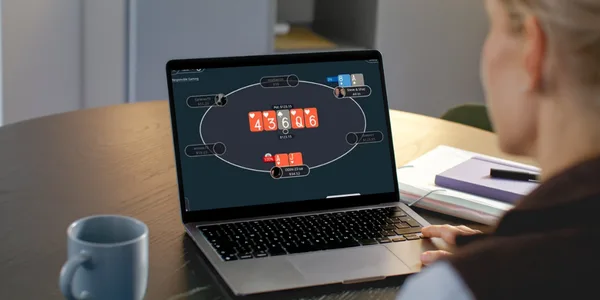
Alt text: Poker player planning weekly and monthly grind goals at desk
A structured poker grind planning routine is the foundation of any successful poker career. Without clear objectives and defined timelines, players tend to lose focus, waste opportunities, and struggle to measure real progress. Setting specific, measurable poker goals turns vague ambition into concrete results.
Why planning your grind matters
Grind planning goes far beyond simply “playing more hands.” It gives you direction, lets you measure real progress, and creates personal accountability. Without a structured plan, it’s easy to fall into the trap of unproductive sessions, poor tournament selection, and a lack of poker consistency.
Organized players quickly notice when they’re off-course, which lets them course-correct before small deviations turn into bigger problems. Planning your grind also helps you stay motivated through tough stretches by giving you intermediate milestones that celebrate small wins.
Setting realistic volume goals
Volume is the foundation of any sustainable weekly and monthly grind. Start by honestly assessing how much time you can dedicate to poker around work, family, and other commitments. A target of 20 weekly hours you’ll actually hit beats 40 unrealistic hours that lead to frustration and burnout.
Spread your volume evenly across the week and avoid marathon sessions that hurt decision quality. For tournaments, set goals by number of events rather than hours, since tournament length varies wildly.
Efficient grind organization also accounts for different formats: cash games give you full control over your time, while tournaments require more schedule flexibility. Adapt your goals to the format you play most.
Try Lobbyze to plan and track your tournament grind in one place.
Result goals vs. process goals
Financial poker goals are naturally appealing, but they’re dangerous as your only focus because of the variance baked into the game. Process goals are more controllable and sustainable: number of hands played, study hours logged, sessions reviewed, or specific spots analyzed.
Set a ratio between play and study. For every 10 hours played, dedicate 2–3 hours to session review and theoretical study. This balance ensures steady evolution and sharper decision-making.
Tracking and adjusting over time
Grind planning should be dynamic, not rigid. Review weekly whether you’re hitting your targets and identify recurring obstacles. If you consistently fall short of your planned volume, scale the goal down temporarily instead of abandoning the plan entirely.
Keep detailed records — not just of results, but of how well you’re hitting your process goals. A simple spreadsheet or dedicated poker software helps you visualize trends and patterns over time.
Common grind planning mistakes
The most common mistake is setting overly ambitious goals that ignore real-world time and energy limits. Another frequent error is focusing only on volume while neglecting game quality and skill development.
Many players also fail to review and adjust their goals regularly. What worked when you were a beginner won’t necessarily fit an intermediate player with different responsibilities.
Clear goals create consistency
Consistency in poker is built on solid habits and clear goals. Efficient poker grind planning creates the structure that sustains long-term performance — turning poker from a hobby into a profession. Players who master planning rarely face long unproductive stretches because they always know exactly what the next step is.
Success in poker is a marathon, not a sprint. A consistent weekly and monthly grind built on realistic, well-planned goals will always beat sporadic, disorganized sessions — even when those sessions are individually more intense.
Read next: